


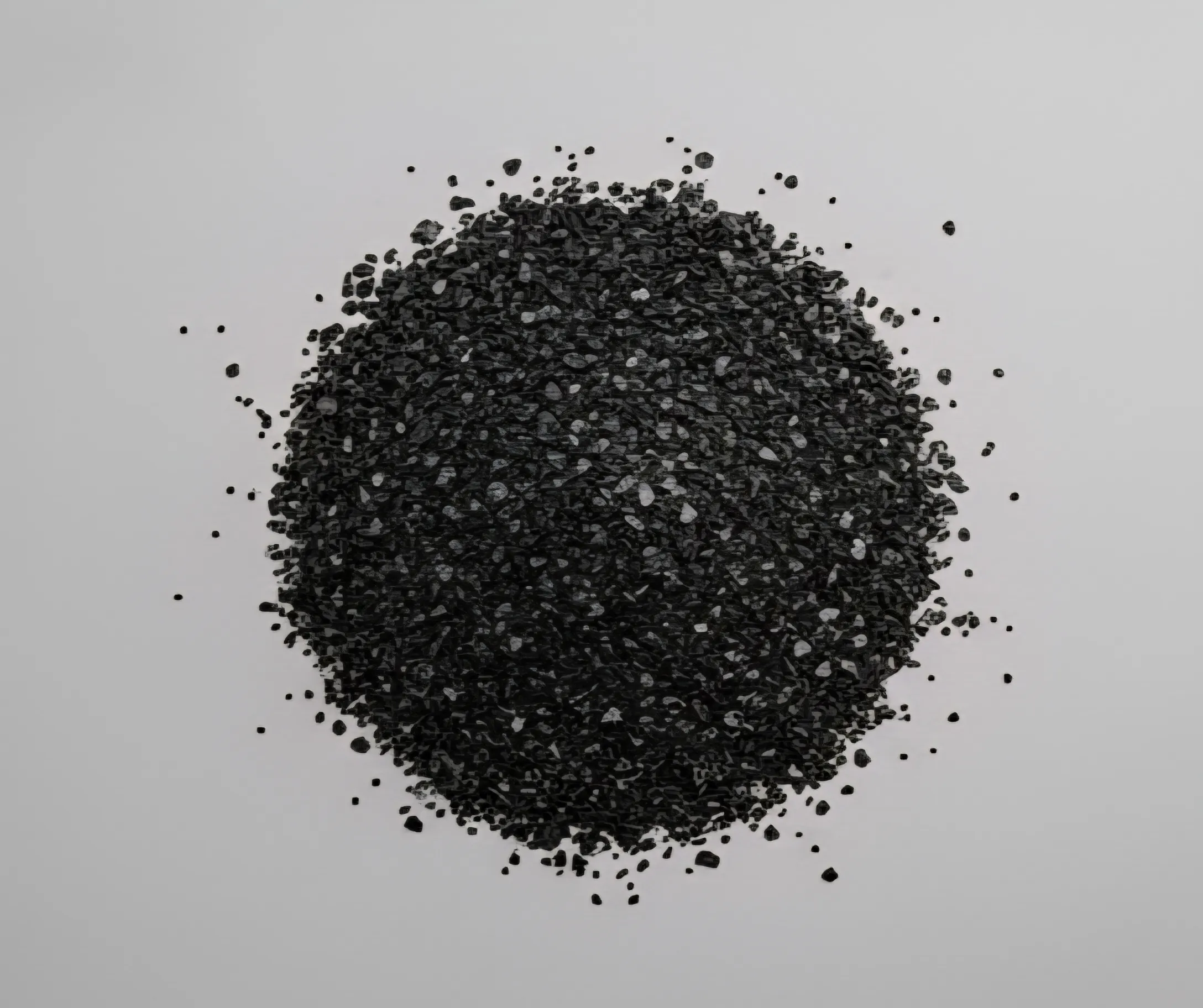
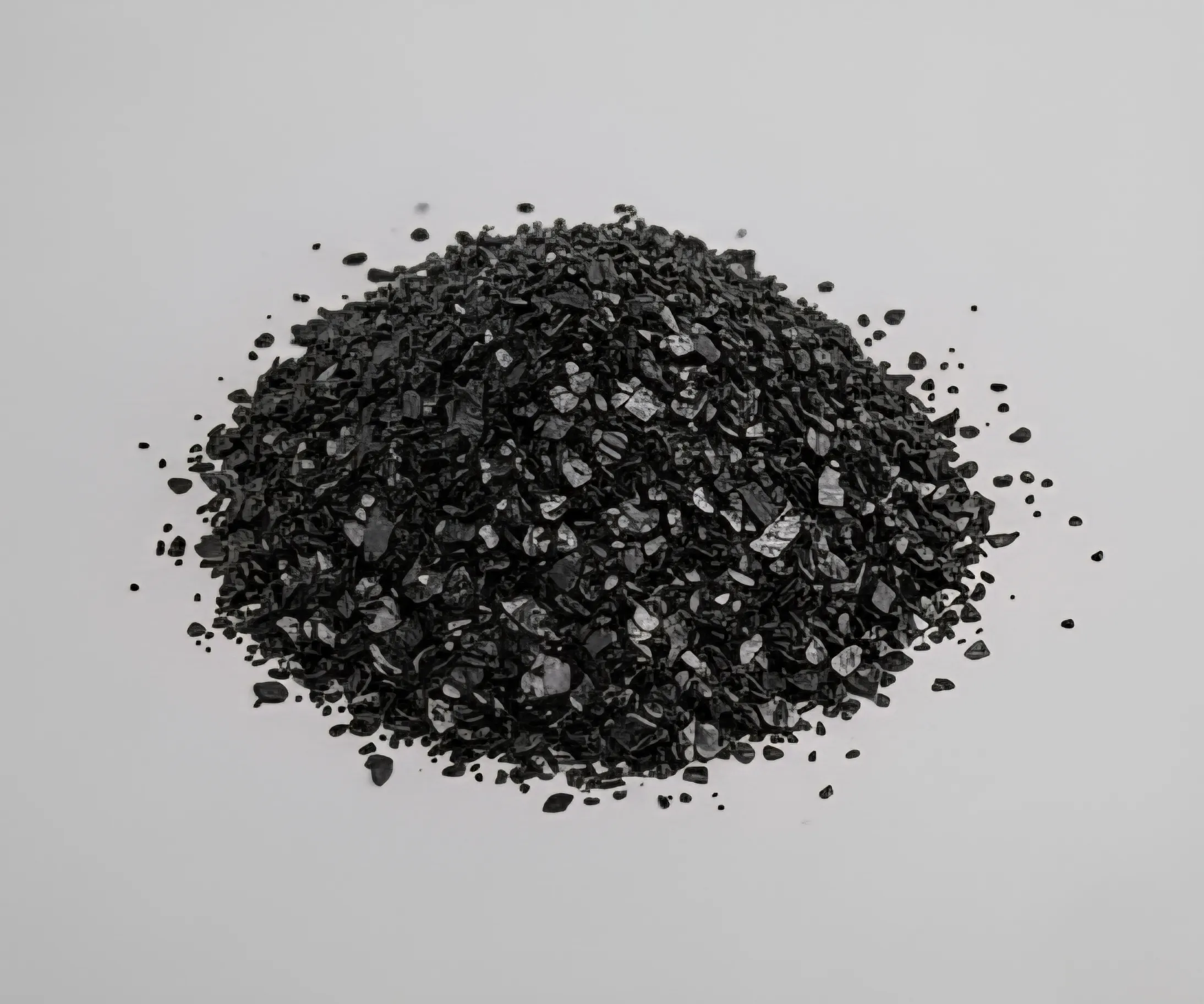
Humic acid

ارسال رایگان
تحویل اکسپرس و سریع

20 هزار محصول
روش های پرداخت

پشتیبانی 24/7
پشتیبانی نامحدود آنلاین

تحویل 2 روزه
پیگیری سفارشات
| رنگ |
|---|
HS: 310100
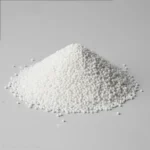
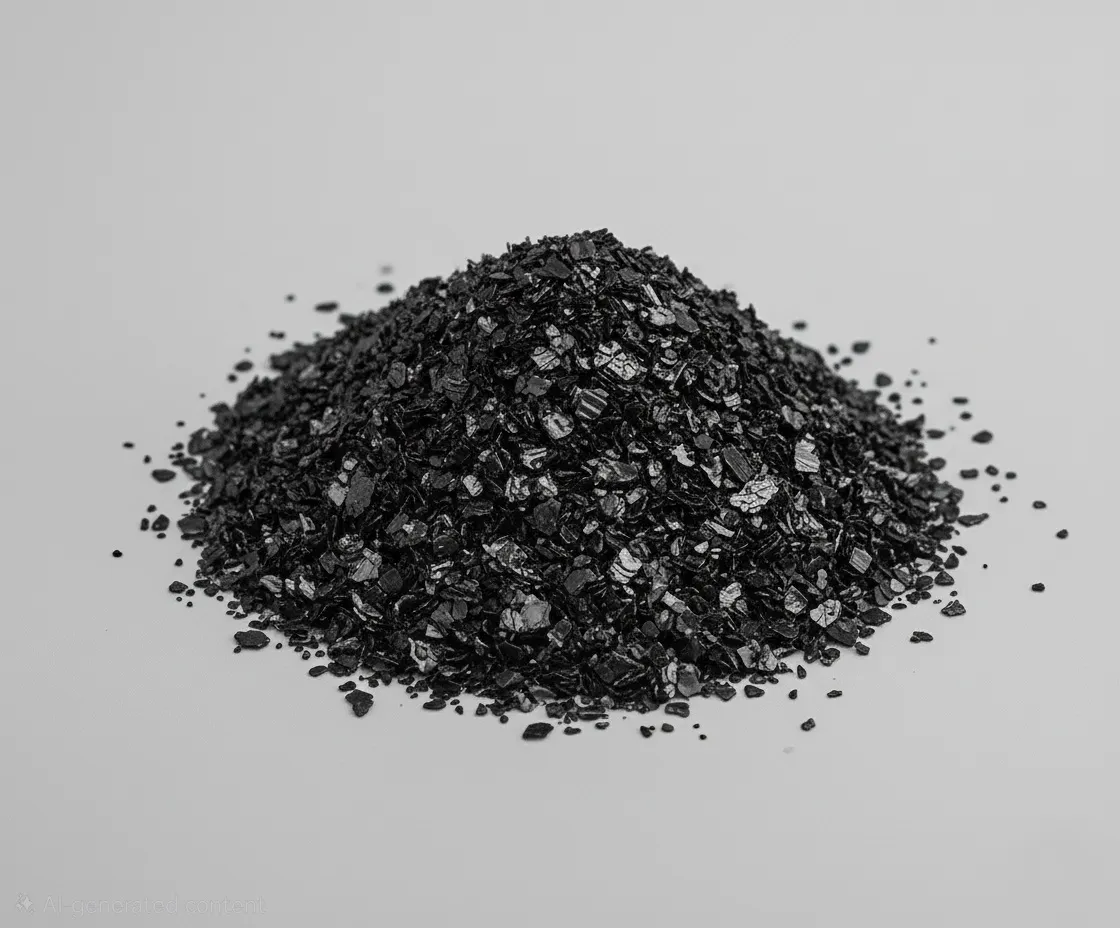
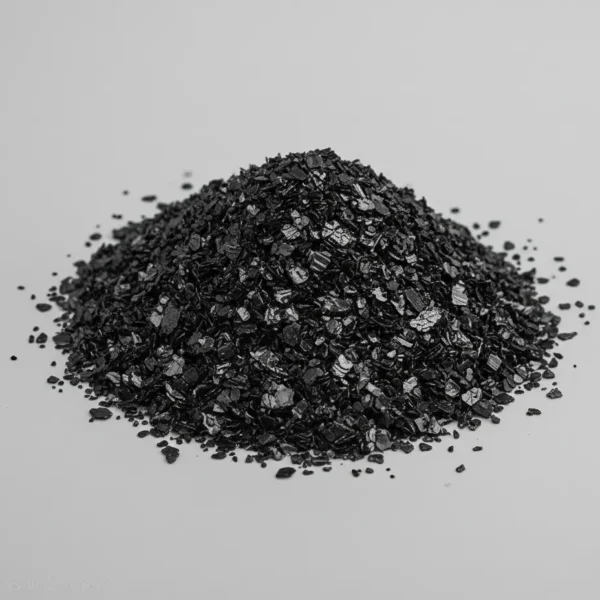
Humic Acid is a naturally derived organic compound extracted from humified organic matter, widely used to enhance soil fertility and plant growth. Its ability to improve nutrient uptake and soil structure makes it vital in agriculture and environmental applications. Available in various forms, it ensures effective performance in sustainable farming.
|
Attribute |
Details |
| Purity / Grade |
Min 60–80% humic content (Agricultural); high-purity grades available |
|
Physical Form |
Flake, Granule, Powder, Liquid solution |
|
Color |
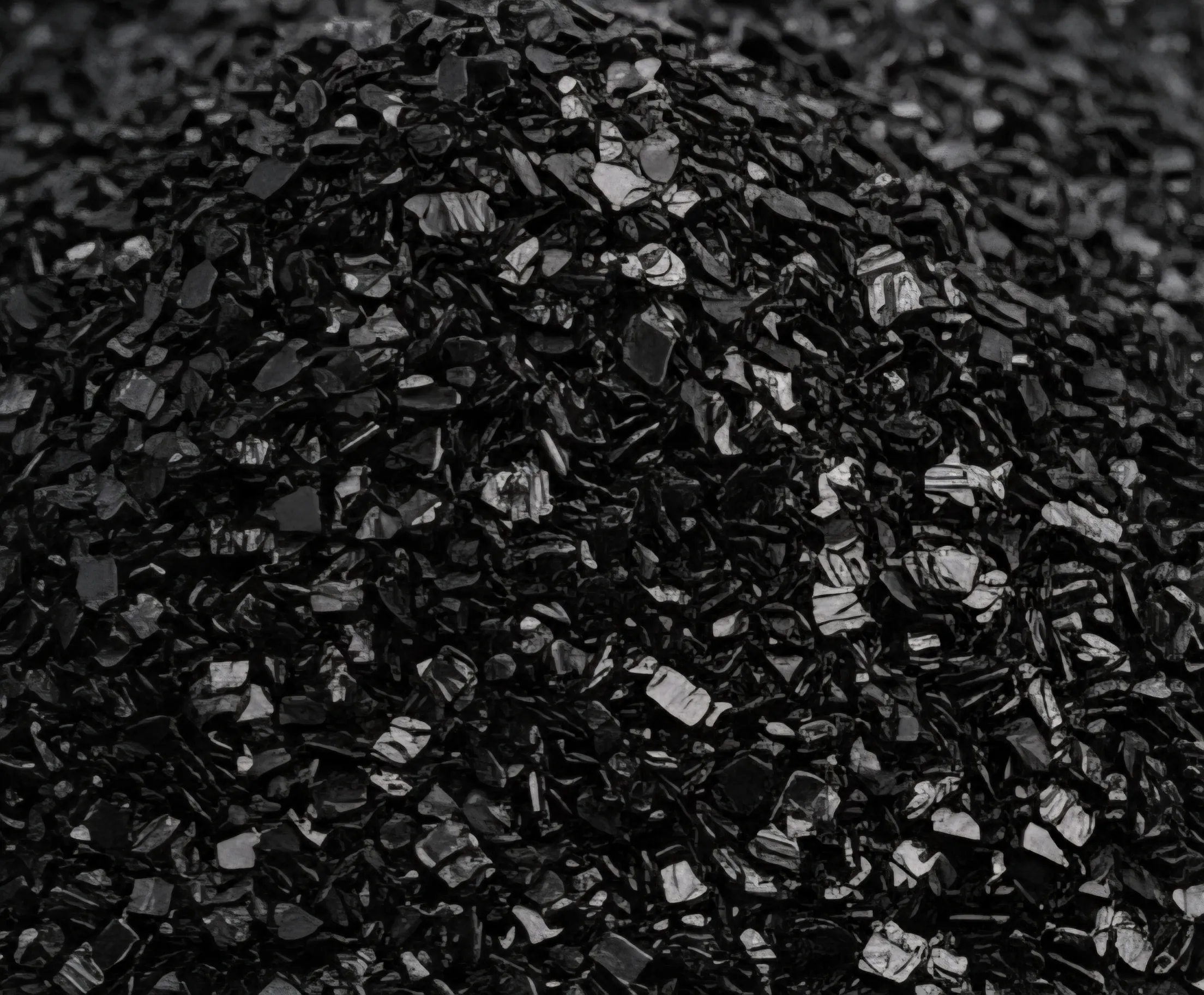
Dark brown to black |
| Applications | Agriculture (soil conditioner, fertilizer enhancer), horticulture, environmental remediation, animal feed additives |
|
Packaging |
25 kg, 50 kg bags; liquid in 20 L, 1000 L IBCs; bulk options available |
|
Storage |
Cool, dry, sealed storage; 15–30°C; protect from moisture and direct sunlight |
|
Certifications |
. SGS. Standard COA |
Applications of Humic Acid
Despite the name “humic acids,” which includes the word “acid,” they do not resemble other acids and are produced from the decomposition of plants. As introduced in the previous section, the most significant and essential application of humic acids is in agriculture and industries related to agricultural products, flowers, and plants. Humic acids are available in various forms, including granules, liquids, and powders, which can be generally categorized into two types: water-soluble active forms (liquid and powder) and inactive forms (granules) that do not dissolve in water. These types of fertilizers have numerous applications and properties for soil texture and enhancing its fertility, which will be discussed further in the context of their agricultural applications.
Soil Erosion Reduction
One of the most critical occurrences for soil is the decline in quality and erosion over time due to its use. Therefore, to strengthen and prevent soil erosion, Raeis Industrial Group Company recommends the use of humic acids to consumers.
Improvement of Soil Quality
Humic acids enhance the structure and texture of the soil, reducing water loss and soil salinity, which improves soil quality and results in higher quality agricultural products.
Increased Soil Efficiency and Improved Product Quality
By enhancing the quality and texture of the soil, humic acid leads to increased quantity and quality of products, reducing seed and sapling wastage.
Reduced Use of Chemical Fertilizers
Humic acid fertilizers, due to their rich nutrient content, minimize the need for chemical fertilizers and, at the same time, cause less harm to the environment. Therefore, Raeis Industrial Group Company particularly recommends this product to environmental advocates for agricultural use.
Cost Reduction in Agriculture
Considering the benefits and nutrients found in humic acids, increasing the irrigation intervals and reducing the use of chemical and other fertilizers result in lower production costs for agricultural products.
Increased Soil Porosity
In agriculture, the best soils are those with higher porosity, promoting better plant growth through enhanced airflow. Humic acid increases the porosity and voids of the soil, enhancing aeration within the soil structure and ultimately leading to greater product growth.
Increased Sunlight Absorption
As we know, the color of humic acid fertilizers is close to black, which generally absorbs more light. By adding humic acids to the soil, the darkening of the soil color occurs, leading to higher light absorption and subsequently boosting the speed and quality of plant growth.
Overall, the benefits and applications of humic acids in agriculture are as follows:
– Enhancing intracellular metabolism
– Providing warmth to plant roots
– Preventing freezing in cold seasons
– Increasing sugar content in plants
– Boosting the rate of photosynthesis in plants
If we consider the application of humic acid in other industries, it can be mentioned that in the oil industry, humic acid reduces the viscosity of drilling mud and increases drilling efficiency. Additionally, in livestock and human pharmaceutical industries, this substance is utilized for producing supplements and medications.
The benefits and applications discussed above prompt Raeis Industrial Group Company to encourage business owners in agriculture to use humic acid.
Purchasing Humic Acid
With the advancement of human society and increasing environmental pollution, leading to a decline in agricultural product productivity, the demand for humic acid fertilizers has risen among industries and business owners. Additionally, with the rise of apartment living and the public’s interest in growing flowers and plants, humic acid serves as an excellent and beneficial fertilizer for rapid and high-quality plant growth. The purchase of these types of fertilizers not only increases productivity in agricultural products but also fosters rapid and high-quality growth in apartment plants. Raeis Industrial Group Company, the leading producer of humic acid in Iran, recommends this type of fertilizer to industry owners and businesses in relevant fields.
Types of Humic Acid and Their Differences in Applications
Humic acid is primarily produced in two forms: liquid and powder, each with its specific features and applications. This section will address the different types of humic acid and their differences in agricultural and industrial applications:
Liquid Humic Acid
This type of humic acid easily dissolves in water and is mainly used in irrigation and foliar spraying. Liquid humic acid is typically injected into the soil in combination with water to deliver nutrients to plants and improve soil conditions. This type is highly suitable for modern agriculture and drip irrigation.
Powdered Humic Acid
This type of humic acid is usually provided in a dry, powdered form and easily mixes into the soil. Powdered humic acid is primarily used for dry soils or soils that require structural improvement. It is commonly applied in traditional agriculture or for large orchards that need to supply nutrients to the soil.
Differences in Applications
Liquid humic acid is suitable for situations requiring quick dissolution in water, making it more readily available to plants. In contrast, powdered humic acid is generally used to enhance soil structure and increase water retention capacity in the soil. The choice of the right type depends on soil conditions, plant needs, and farming methods.
Raeis Industrial Group Company, by offering various types of humic acid from different sources and of various qualities, helps farmers make the best choice in supplying humic acid for their specific needs.
Important Considerations When Purchasing Humic Acid
Identifying the exact need for humic acid
Examining product quality and purity
Post-sale services
Purchasing humic acid as a key additive for improving soil quality and increasing agricultural productivity requires attention to several important factors. This section will address the key points in purchasing humic acid and guidance for selecting the best product. Some of the most important considerations include:
Identifying the Exact Need for Humic Acid
Before purchasing humic acid, you must clearly identify your needs. Are you looking to improve soil structure, increase water retention capacity, or enhance nutrient absorption by plants? Understanding the goal of using humic acid will help you select the appropriate product.
Examining Product Quality and Purity
One of the most important issues to check when purchasing humic acid is its quality and purity. High-quality humic acid should contain a high percentage of organic materials and humic compounds, which contribute to soil improvement and plant growth. To ensure quality, it is recommended to purchase from reputable brands and well-known suppliers like Raeis Industrial Group Company, which offer their products according to global standards.
After-Sales Services
After-sales services and support for purchases are also important considerations when buying that should be taken into account. In case of any issues or the need for further assistance, appropriate support can help you. Raeis Industrial Group Company guarantees that its customers receive comprehensive support at every stage of purchasing and using the product by providing excellent after-sales services.
Factors Affecting the Price of Humic Acid in Domestic and International Markets
The price of humic acid is influenced by several factors, which can create significant differences between domestic and international prices. This section examines the factors affecting the price of humic acid, including:
Source and Production Process
Humic acids extracted from natural sources and through more complex processes generally have higher prices, whereas humic acids obtained from plant materials or organic residues may be cheaper.
Global Supply and Demand
If demand increases in large agricultural markets, prices may rise; conversely, production and supply conditions in different countries can lead to price changes for humic acid in both domestic and international markets.
Type of Packaging and Transportation
Packaging and transport conditions are also factors that can affect the price of humic acid. For example, humic acids sold in special packaging or bulk volumes may have higher prices due to increased transportation and storage costs.
Quality and Purity of Product
Higher quality and purity products typically come with higher prices. Humic acids specifically designed for particular agricultural or industrial applications usually have higher prices, while simpler humic acids may be available as cheaper options.
Raeis Industrial Group Company, as one of the reputable suppliers of humic acid, offers high-quality products at competitive prices while considering all these factors. Additionally, by providing specialized consulting and after-sales services, Raeis Industrial Group Company helps customers achieve the best results at every stage of purchasing and using humic acid.
Price of Humic Acid
The price of humic acids varies depending on the type of product and packaging. Furthermore, considering product quality, order quantity, and raw material prices, the price of this product fluctuates. Raeis Industrial Group Company continuously strives to provide this product with the highest quality and the lowest price under current conditions. Given the high quality and reasonable price of this product, purchasing from Raeis Industrial Group Company is a reliable choice.
شاهد –
سلام، هیومیک اسید دقیقاً چیه و چه کمکی به خاک و گیاه می کنه؟سلام، هیومیک اسید دقیقاً چیه و چه کمکی به خاک و گیاه می کنه؟
Raeis Industrial Group –
سلام! هیومیک اسید یک ترکیب طبیعی حاصل از تجزیه مواد آلیه که باعث بهبود ساختار خاک، افزایش جذب مواد مغذی توسط ریشه گیاه و تقویت رشد گیاه می شه. همچنین مقاومت گیاه رو در برابر استرس های محیطی بالا می بره.
محمدی راد –
آیا می شه هیومیک اسید رو با کودهای دیگه ترکیب کرد؟
Raeis Industrial Group –
بله، هیومیک اسید به راحتی با اکثر کودهای شیمیایی و آلی قابل ترکیب است. حتی ترکیب اون با کودهای نیتروژنه و فسفره باعث افزایش جذب این مواد توسط گیاه می شه. البته بهتره قبل از ترکیب از کارشناسان مشورت بگیرید.
صادق –
برای گیاهان آپارتمانی هم می تونم از هیومیک اسید استفاده کنم؟
Raeis Industrial Group –
حتماً! هیومیک اسید برای گیاهان آپارتمانی عالیه چون باعث بهبود ریشه دهی و افزایش شادابی برگ ها می شه. می تونید هر چند وقت یک بار اون رو به خاک اضافه کنی یا به صورت محلول در آب استفاده کنید.
قانع –
هیومیک اسید به تنهایی کافیه یا باید در کنار کودهای دیگه استفاده بشه؟
Raeis Industrial Group –
هیومیک اسید یک مکمل قدرتمنده اما به تنهایی نمی تونه همه نیازهای گیاه رو برطرف کنه. بهتره همراه با کودهای مناسب استفاده بشه تا نتیجه بهتری بگیری.
توفیقی –
برای هر هکتار زمین کشاورزی چه مقدار هیومیک اسید لازمه؟
Raeis Industrial Group –
مقدار هیومیک اسید بستگی به نوع خاک و محصول داره، اما معمولاً برای هر هکتار ۵ تا ۱۰ کیلوگرم هیومیک اسید پودری یا ۲۰ تا ۳۰ لیتر نوع مایع اون توصیه می شود.
شفیعی –
چطور بفهمم خاک زمینم به هیومیک اسید نیاز داره؟
Raeis Industrial Group –
اگر خاکت سبک (شنی) یا سنگین (رسی) باشه، یا گیاهت دچار کمبود رشد و جذب مواد مغذی شده باشه، احتمالاً هیومیک اسید میتونه کمک کنه. برای اطمینان، آزمایش خاک انجام بده تا نیاز دقیقش مشخص بشه.
کدخدایی –
فرق بین هیومیک اسید و فولویک اسید چیه؟
Raeis Industrial Group –
هیومیک اسید بیشتر برای اصلاح خاک و تقویت ریشه استفاده می شود و در خاک باقی می ماند، ولی فولویک اسید سبک تره، سریعتر جذب گیاه می شود و بیشتر برای تغذیه مستقیم گیاه کاربرد دارد.
خلیفه –
چطور باید هیومیک اسید رو به خاک اضافه کنم؟ روش مصرفش چیه؟
Raeis Industrial Group –
هیومیک اسید رو می تونی به دو روش استفاده کنی؛ یا مستقیم روی خاک بپاشی و با آبیاری جذب خاک بشه، یا محلول درست کنی و به صورت آبیاری قطره ای یا محلول پاشی استفاده کنید.
دکتر علی راد –
سلام، من تازه شروع کردم به استفاده از هیومیک اسید برای باغچه خانگی ام. می خواستم بدونم آیا مقدار کمی هم تأثیر داره یا حتما باید به اندازه توصیه شده استفاده کنم؟
Raeis Industrial Group –
سلام! هیومیک اسید حتی در مقادیر کم هم می تونه تأثیر مثبت داشته باشه، اما برای نتیجه بهتر و رشد سالم گیاهان، توصیه می کنیم میزان مصرف را طبق دستورالعمل تعیین شده رعایت کنید. کم یا زیاد کردن تصادفی ممکنه اثرگذاری رو کاهش بده.
حسین کفاش –
استفاده نادرست از هیومیک اسید چه اثرات منفی بر خاک و محصول دارد؟
Raeis Industrial Group –
مصرف بیش از حد یا ناپیوسته هیومیک اسید می تواند جذب عناصر غذایی توسط گیاه را کاهش دهد و باعث کاهش عملکرد محصول شود. همچنین ترکیب نادرست با برخی کودها ممکن است اثر مثبت هیومیک اسید را محدود کند. بازرگانی رئیس با ارائه راهنمایی و مشاوره کارشناسانه، کمک می کند تا مصرف هیومیک اسید به صورت دقیق، مؤثر و ایمن انجام شود.
جاودانه –
هیومیک اسید مایع بهتره یا پودری؟ نمی دونم کدومو برای گلدانهای آپارتمانی استفاده کنم.
Raeis Industrial Group –
سلام! برای گلدان های آپارتمانی معمولاً هیومیک اسید مایع بهتر جواب می ده، چون راحت تر جذب خاک می شه و کنترلش ساده تره. اما اگر خاک شما رسی یا سنگین باشه، پودری هم گزینه مناسبیه.
امیر علی لشکری –
سلام، وقتتون بخیر، آیا هیومیک اسید با کودهای شیمیایی تداخل داره؟ می خوام با کود NPK استفاده کنم.
Raeis Industrial Group –
سلام! در اکثر موارد می شه با کودهای شیمیایی ترکیب کرد، اما نکته مهم اینه که دستورالعمل ترکیب رعایت بشه. بعضی عناصر ممکنه اثر هیومیک اسید رو کاهش بدن. بهترین کار مشاوره با کارشناسان بازرگانی رئیسه تا میزان و زمان مصرف بهینه مشخص بشه.
واحدپور –
می خوام برای سبزیجات آپارتمانی از هیومیک اسید استفاده کنم. بهترین روش مصرف و میزان مناسب چقدره؟
Raeis Industrial Group –
سلام! برای سبزیجات آپارتمانی، هیومیک اسید معمولاً به صورت محلول در آب استفاده می شود. میزان مصرف حدود یک تا دو گرم پودری یا ۵ تا ۱۰ میلی لیتر مایع در یک لیتر آب برای هر گلدان متوسط مناسب است. بهترین زمان، هنگام آبیاری منظم و در مراحل رشد فعال گیاه است.